In today’s competitive marketplace, packaging is no longer simply a protective layer around a product. It has evolved into a powerful marketing tool that communicates brand identity, quality, and value to consumers. One of the most important elements that makes packaging visually appealing and informative is packaging printing. Through creative printing techniques, businesses can transform simple packaging into a memorable brand experience that attracts customers and builds trust.
Packaging printing plays a crucial role in how products are presented on store shelves and online platforms 包裝印刷. When consumers browse through different items, the first thing they usually notice is the design and printed elements on the package. Colors, typography, graphics, and brand messages are all brought to life through printing processes. These visual components help companies communicate their brand story and product benefits in a clear and engaging way.
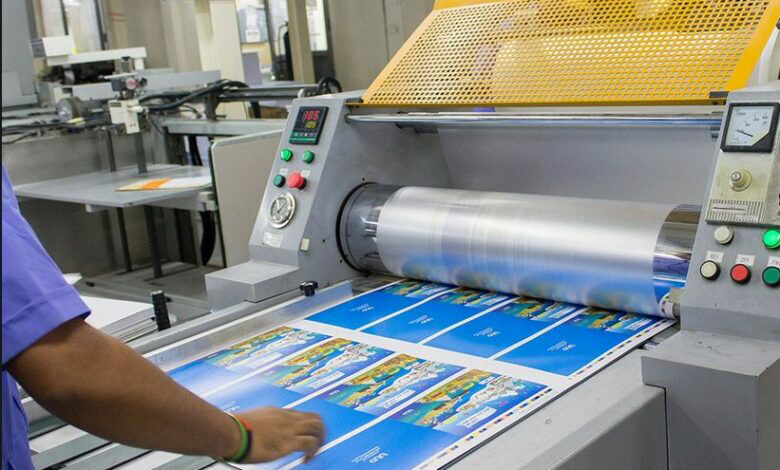
Modern packaging printing combines art and technology to create visually impressive designs. Designers work closely with printing specialists to ensure that every detail of the package reflects the brand’s personality. High-resolution printing allows for sharp images, vibrant colors, and precise text that capture attention immediately. This collaboration between creative professionals and technical experts ensures that the final packaging not only looks appealing but also maintains consistency across different production batches.
Different printing methods are used depending on the type of packaging material and the desired design effect. Some products require bold and colorful graphics, while others need subtle textures and refined finishes. Printing techniques can include digital printing, flexographic printing, offset printing, and gravure printing. Each method offers unique advantages in terms of quality, speed, and cost efficiency. The choice of printing process depends on factors such as the volume of production, the complexity of the design, and the material used for the packaging.
One of the main advantages of packaging printing is its ability to enhance brand recognition. A well-designed package with consistent colors, logos, and visual themes makes it easier for consumers to identify a product among many competitors. Over time, customers begin to associate certain visual elements with a specific brand, which strengthens loyalty and trust. Packaging printing therefore becomes an important part of a company’s overall branding strategy.
Another significant benefit of packaging printing is its role in communicating important product information. Printed packaging includes details such as ingredients, usage instructions, expiration dates, safety warnings, and company information. Clear and accurate printing ensures that customers can easily read and understand this information. In many industries, proper labeling is not only helpful but also required by regulations to protect consumers and maintain product transparency.
Sustainability has become a major consideration in packaging printing as businesses respond to growing environmental awareness. Companies are now looking for eco-friendly printing solutions that reduce waste and minimize environmental impact. Many printers use biodegradable inks, recyclable materials, and energy-efficient production processes. Sustainable packaging printing allows brands to maintain high-quality visuals while also demonstrating responsibility toward the environment.
Advances in printing technology have significantly expanded the possibilities of packaging design. Digital printing, for example, allows brands to produce shorter print runs with customized designs. This flexibility is especially useful for seasonal packaging, limited edition products, or personalized marketing campaigns. By using digital techniques, businesses can quickly adapt their packaging to changing market trends without large production costs.
Texture and finishing techniques also add another dimension to packaging printing. Embossing, foil stamping, matte coatings, and glossy finishes can create unique visual and tactile effects that enhance the consumer experience. When customers hold a package that feels premium and well-crafted, it strengthens their perception of the product’s quality. These finishing touches transform ordinary packaging into something more memorable and luxurious.
Packaging printing also supports innovation in smart packaging solutions. Some modern packages include printed QR codes, augmented reality features, or interactive elements that connect physical packaging with digital experiences. Consumers can scan a printed code to learn more about the product, watch promotional content, or access special offers. This integration of technology with packaging printing opens new opportunities for brands to engage with customers in creative ways.
Another important aspect of packaging printing is consistency in mass production. When companies produce thousands or even millions of packages, maintaining uniform color, alignment, and print quality is essential. Professional printing processes use advanced color management systems and quality control measures to ensure that every package looks identical. This consistency helps maintain a professional image and reinforces consumer confidence in the brand.
Packaging printing also plays a role in protecting products from counterfeiting. Many companies incorporate security printing features such as holograms, special inks, or unique identification codes. These elements help verify authenticity and protect both businesses and customers from counterfeit goods. In industries such as pharmaceuticals, cosmetics, and electronics, secure packaging printing is especially important for maintaining product safety and trust.
The relationship between packaging design and printing is extremely important for successful product presentation. Designers must consider how their creative ideas will translate into printed form. Certain colors, patterns, and textures may require specific printing techniques to achieve the desired effect. Close collaboration between designers and printers ensures that the final packaging remains faithful to the original creative concept while being practical for manufacturing.
In the global marketplace, packaging printing continues to evolve as brands search for new ways to stand out. Creative design combined with advanced printing technology allows companies to deliver packaging that captures attention, communicates information, and enhances the overall customer experience. Businesses that invest in high-quality packaging printing are better positioned to attract consumers and build lasting brand relationships.
Ultimately, packaging printing is much more than a technical process. It is a powerful combination of creativity, communication, and innovation. By transforming packaging into a visually compelling and informative medium, printing helps brands tell their stories and connect with customers in meaningful ways. As technology advances and consumer expectations continue to grow, the importance of packaging printing will remain central to modern marketing and product presentation.